
Living on a fixed income and finding it hard to cover the bills each month? There is a real chance you are missing out on money without realizing it. The federal government runs a number of assistance programs meant to help older adults make their income go further, yet many seniors never hear about them and never apply. Here is a closer look at several of these programs.
SNAP: Not Just for Young Families
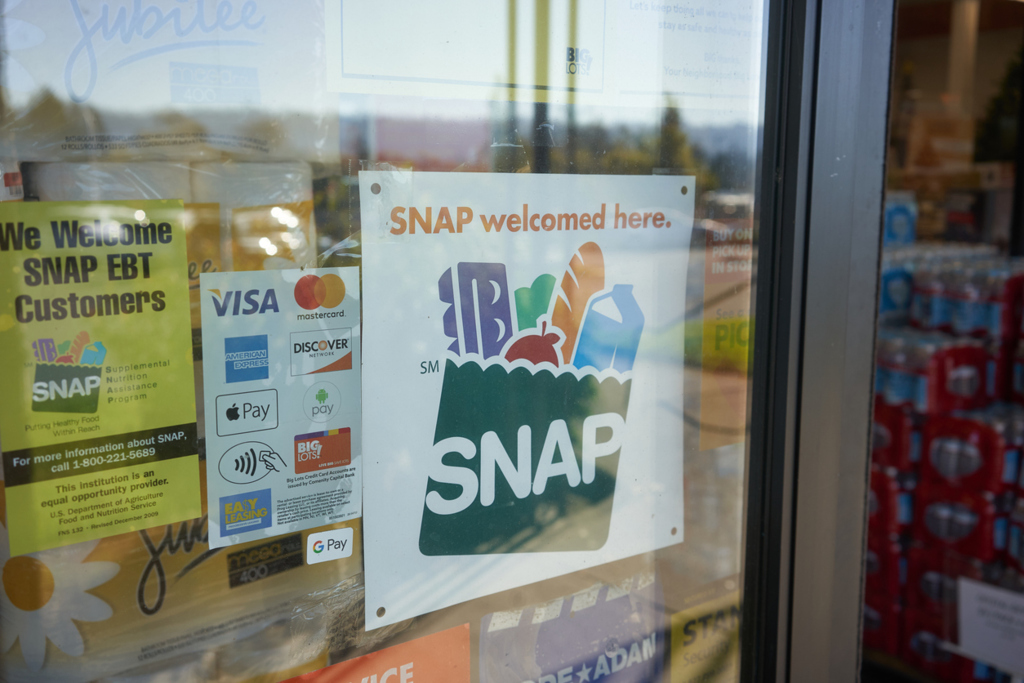
The Supplemental Nutrition Assistance Program is a good place to start. A lot of older adults think SNAP is meant for younger households with kids, but that is not the case. Many seniors qualify and simply do not know it.
At 60 or older, you can apply under simpler rules that make it easier to qualify. The program looks at your monthly income along with certain costs, such as medical bills and housing. In many states, a single person with gross monthly income up to about $2,266 can still qualify.
Seniors receive about $200 a month in SNAP benefits on average. That is money you can spend at grocery stores, farmers markets and even some online stores. It is loaded onto an EBT card that works much like a debit card.
SNAP covers bread, cereal, fruits, vegetables, meat, fish, dairy and seeds for growing your own food. It does not cover alcohol, tobacco, vitamins, hot foods or pet food. You apply through your state SNAP office, often online or by phone.
SSI: Monthly Payments for Seniors With Low Income

Supplemental Security Income, or SSI, can provide a monthly payment to people 65 and older, as long as you can show your income and resources are limited. SSI is separate from Social Security retirement benefits, and if you qualify you can collect both at once.
In 2025, SSI pays up to $943 a month for an individual and $1,415 for a couple, and some states add their own payment on top. To qualify, you generally need less than $2,000 in countable resources as an individual or $3,000 as a couple.
Not everything you own is counted. Your home, one vehicle, household goods and personal belongings usually do not affect eligibility. The Social Security Administration also leaves out certain life insurance policies and burial funds up to $1,500 per person.
Apply even if you doubt you will qualify. The rules are complicated, and a particular exemption might make you eligible. Get in touch with your local Social Security office or apply online at the SSA website.
Help With Housing Costs

Housing usually eats up the largest share of a budget. Fortunately, several federal programs exist to ease that load.
Section 202 Housing
Section 202 offers affordable homes built for very low-income seniors age 62 and older. Buildings often include features like wheelchair access and emergency call systems, and rent is usually 30% of your adjusted monthly income.
Housing Choice Vouchers
Better known as Section 8, this program helps cover rent in privately owned housing. You pick your own home, the voucher pays part of the rent straight to the landlord, and you pay the rest based on your income. Waiting lists can be long in some places, so get your application in early.
Public Housing
Local housing authorities run apartment buildings set aside for seniors with low incomes. Utilities and upkeep are often built into the rent. As with vouchers, rent depends on income and is usually about 30 percent of what you make each month.
Reach out to your local public housing agency to find out what is available near you. You can locate it through the HUD website or by calling HUD's main office.
Energy Assistance to Lower Your Bills

Heating and cooling bills can shoot up during harsh weather. The Low Income Home Energy Assistance Program was created to help seniors pay for these basic utilities.
LIHEAP offers a few kinds of help. It can pay part of your heating or cooling bill during the busiest months, provide emergency aid when you face a heating or cooling crisis, and in some states fund weatherization work that makes your home more energy efficient.
Every state runs its own LIHEAP program, with its own income limits and benefit amounts. Most put households with members 60 and older near the front of the line. Help may be paid straight to your utility company or show up as a credit on your bill.
When you can apply depends on your state and sometimes the season. Many programs take applications in the fall for winter heating help and in late spring for summer cooling help. Contact your state LIHEAP office or call the National Energy Assistance Referral hotline at 1-866-674-6327.
Tax Credits You May Be Missing
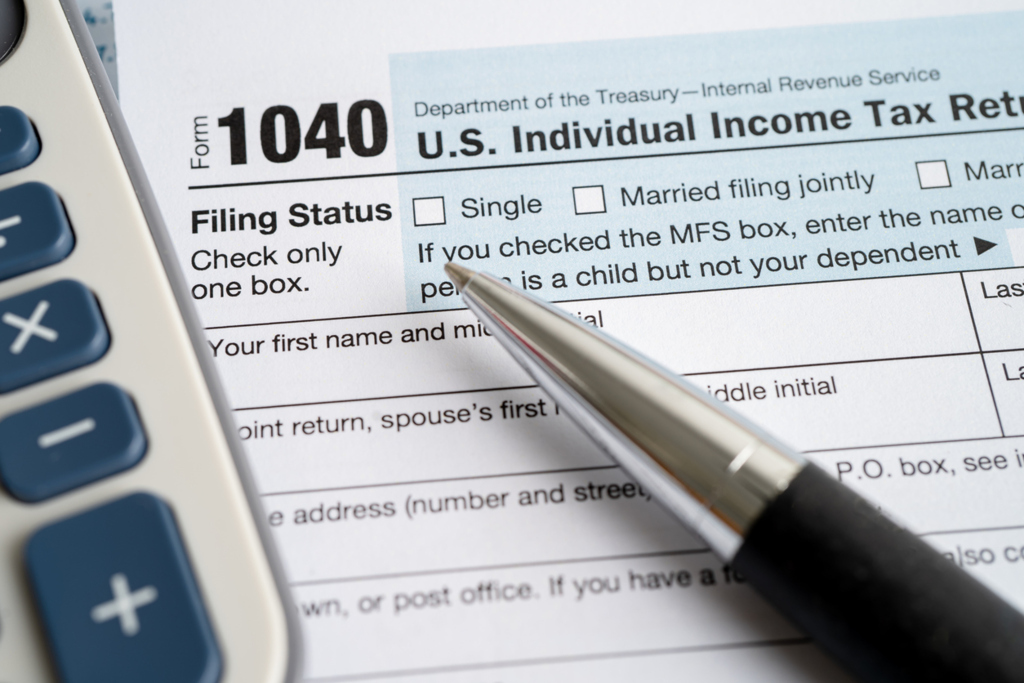
Some tax credits can send money to your bank account even if you owe no tax. Because they are refundable, you get paid even when your tax bill is zero.
Earned Income Tax Credit
Seniors who still work part-time may qualify for the EITC. How much you get depends on your income and whether you have qualifying dependents. You have to file a tax return to claim it, even if you usually do not file.
Credit for the Elderly or Disabled
If you are 65 or older and have limited income, this credit can lower your tax bill or produce a refund. You may also qualify if you receive taxable disability income and have not yet reached retirement age. The credit ranges from a few hundred dollars to more than a thousand.
Free tax help from AARP and the IRS VITA program can find these credits and claim them for you. The volunteers focus on tax questions older adults face and know which credits people tend to overlook.
Medicare Savings Programs

Medicare premiums and out-of-pocket costs pile up fast. If your income and resources are limited, four Medicare Savings Programs can help pay them.
These programs cover your Medicare Part B premium, which saves about $175 a month. Some also pay deductibles, coinsurance and copays. The income limits are higher than for many other assistance programs, so more seniors qualify than you might expect.
You apply through your state Medicaid office. Once approved, you automatically qualify for Extra Help with prescription drug costs as well, and that alone can save thousands of dollars a year on medicine.
Your Next Step
Do not let pride or confusion keep you from help you are entitled to. Go through these programs and see which ones you qualify for, then gather the details and sign up so you can start benefiting.