Has your pharmacy receipt looked a little lighter this year? Beginning January 1, 2026, ten commonly prescribed medicines carry lower prices. The reason is a new power Medicare gained under the Inflation Reduction Act: it can now bargain over what these drugs cost. Millions of Americans take these medicines every day, and there is a fair chance you are one of them. Below is the full list and what the change could mean for your budget.
What Is Behind the Lower Prices?
Under the Inflation Reduction Act, Medicare can sit down with drug makers and negotiate prices directly. It has never had that ability before. Until now, manufacturers set their prices and Medicare had little room to push back.
The new prices apply to Medicare Part D prescription plans. The effect may reach further than that, though. Insurers often treat Medicare's prices as a reference point, so private plans could end up paying less too.
The ten drugs were not picked at random. The government looked for the medications with the largest total spending in Medicare Part D, and it limited the list to drugs that have no generic version. The idea was to go after the medicines that weigh most heavily on patients and on the health system as a whole.
The Ten Medications Getting Cheaper in 2026
Here is each drug on the list, what it is used for, and why the price cut matters.
Eliquis
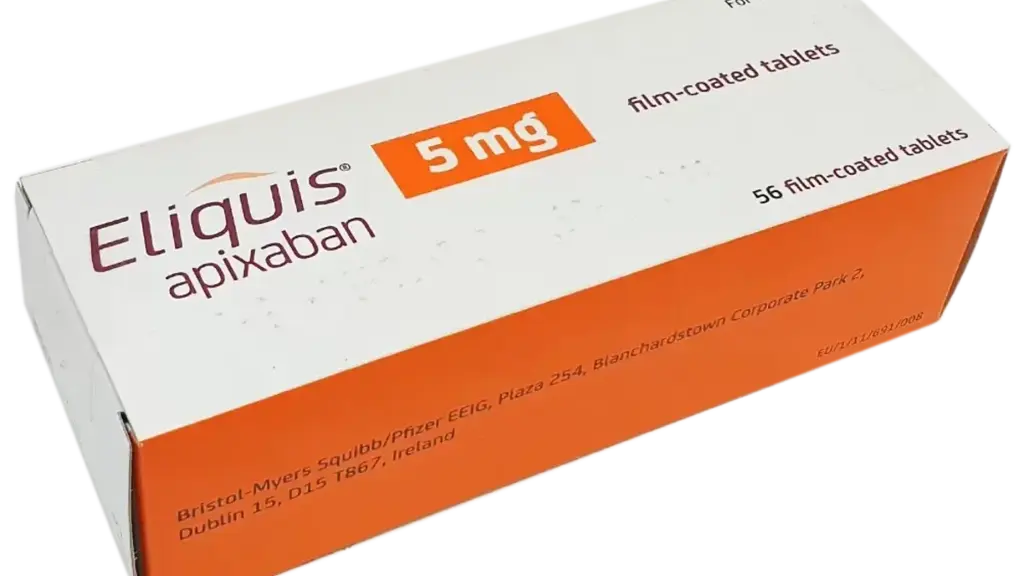
Eliquis (apixaban) is a blood thinner used to treat clots and to lower the chance of stroke in people with atrial fibrillation. Millions of Americans take it every day, and the negotiated price is a big step down from what it costs today.
Jardiance
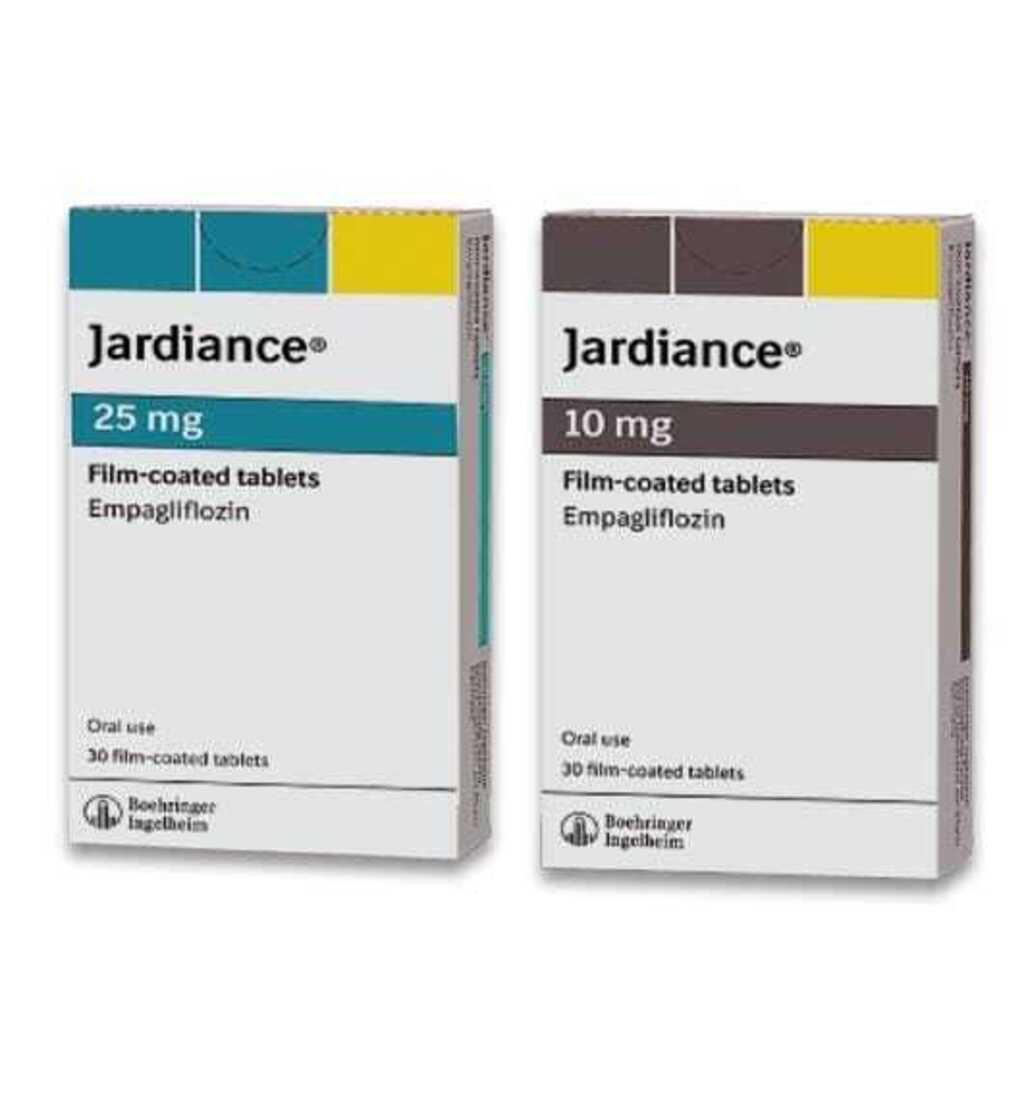
Jardiance (empagliflozin) is prescribed for type 2 diabetes and for heart failure. More and more diabetes patients have been put on it, and a lower price makes it easier for people with long-term conditions to keep taking it.
Xarelto
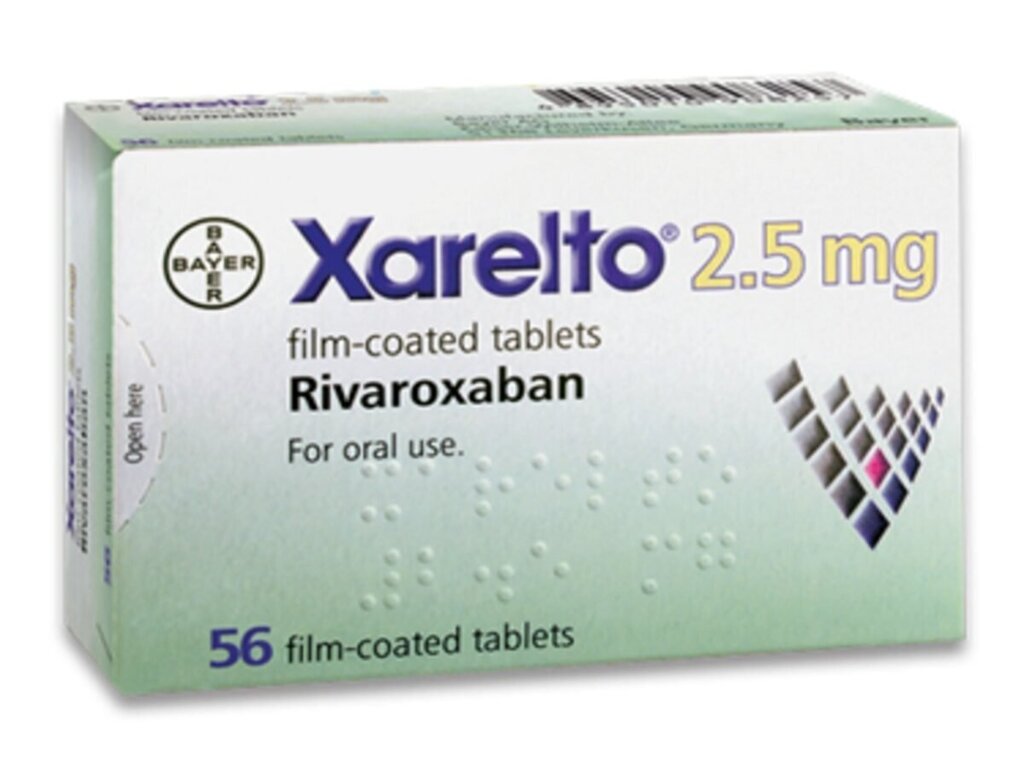
Xarelto (rivaroxaban) is another blood thinner that helps stop dangerous clots from forming. It is a direct competitor to Eliquis. People who use it should notice real savings when they pick up their prescription.
Januvia
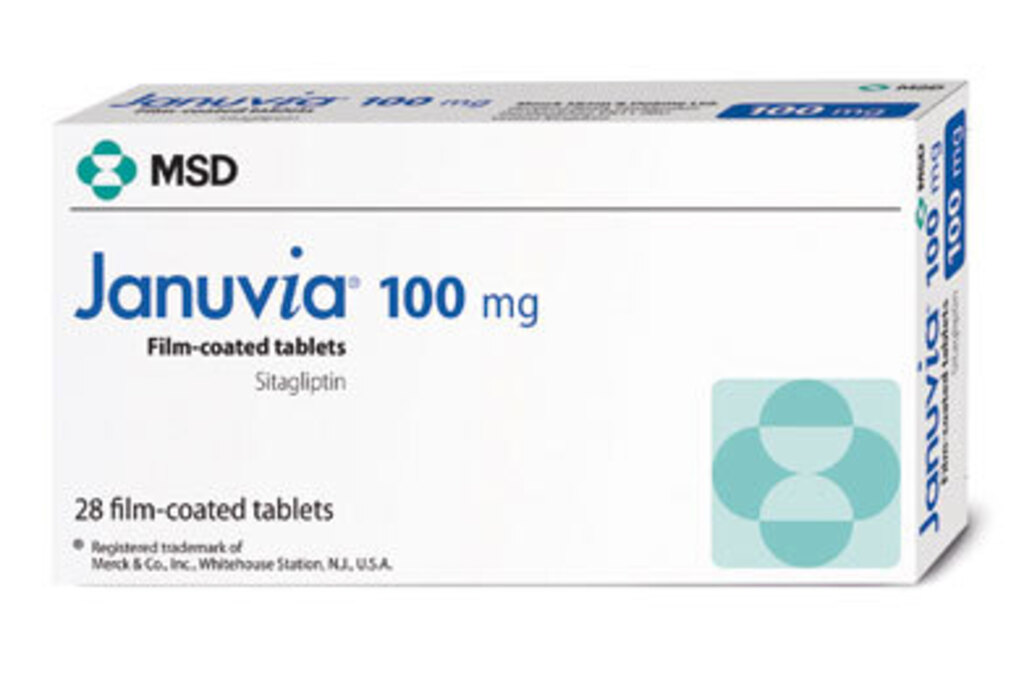
Januvia (sitagliptin) helps people with type 2 diabetes keep their blood sugar in check. It is often taken together with other diabetes drugs, so a cheaper price makes that kind of combined treatment easier to afford.
Farxiga
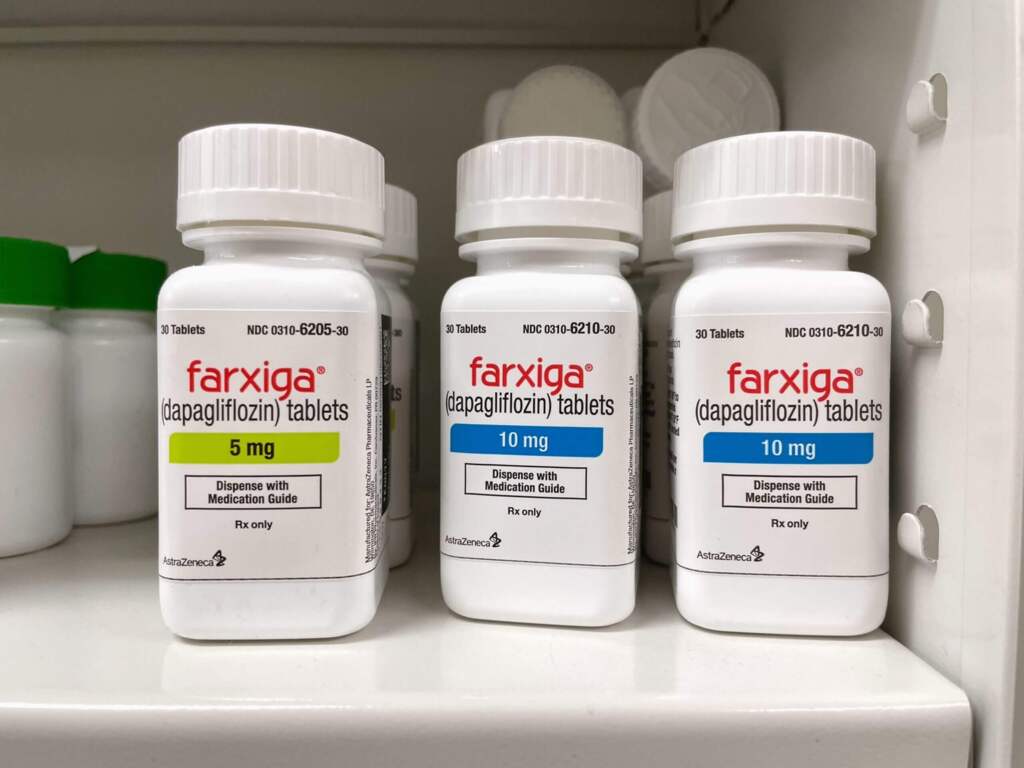
Farxiga (dapagliflozin) is used for diabetes, heart failure and chronic kidney disease. Because it serves several groups of patients, a lower cost opens it up to more of the people who need it.
Entresto
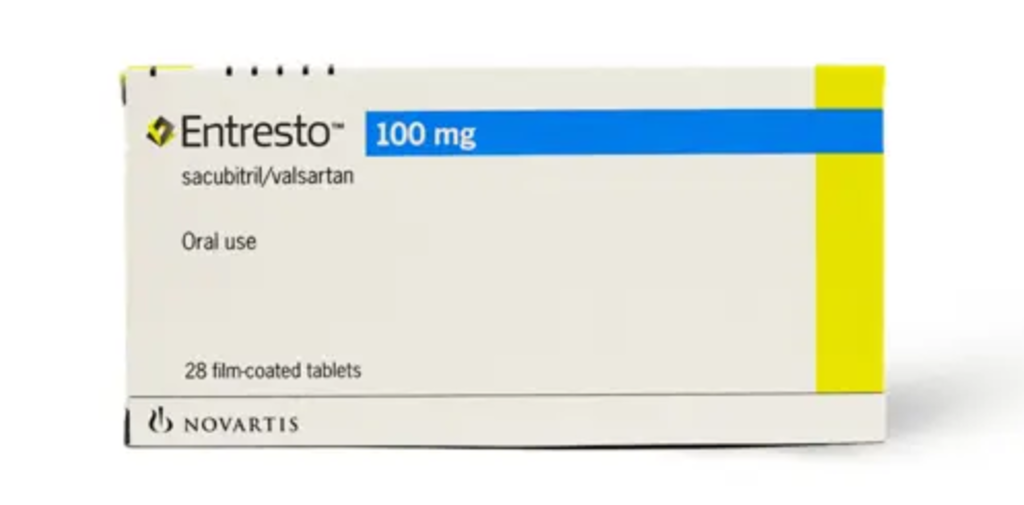
Entresto (sacubitril/valsartan) helps people with heart failure live longer and spend less time in the hospital. It changed how heart failure is treated, but its high price kept some patients from filling their prescriptions.
Enbrel
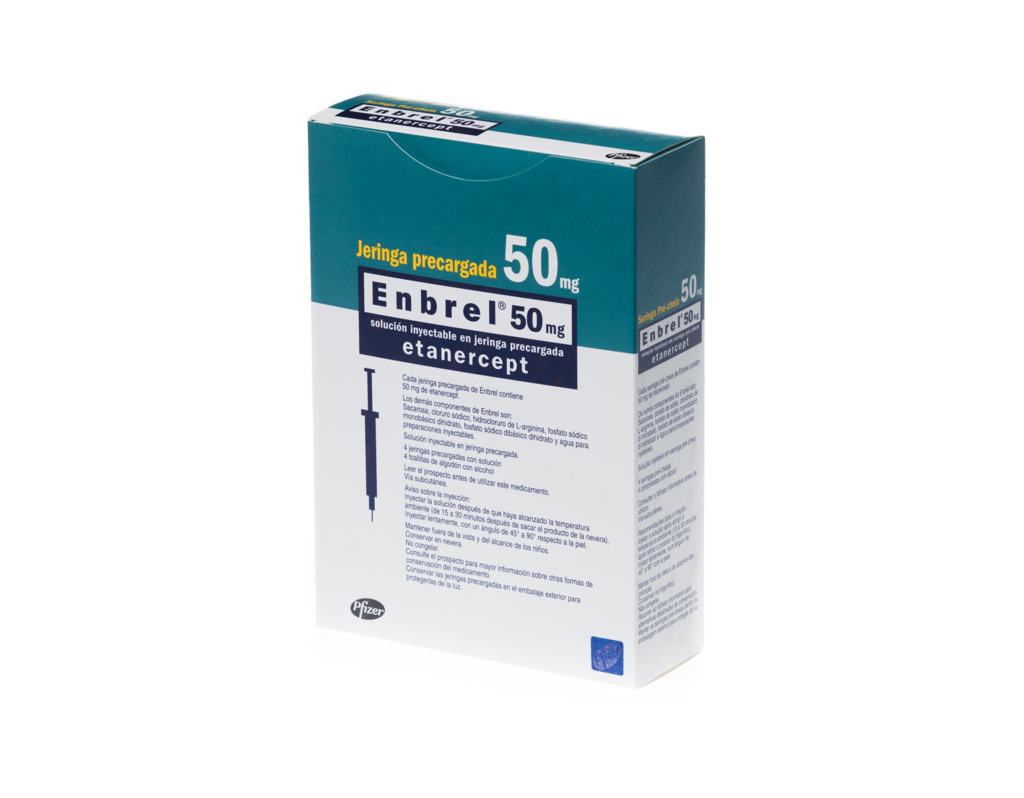
Enbrel (etanercept) treats autoimmune conditions such as rheumatoid arthritis and psoriasis. Biologic drugs like this one often run thousands of dollars a month, so even a modest cut brings noticeable relief.
Imbruvica
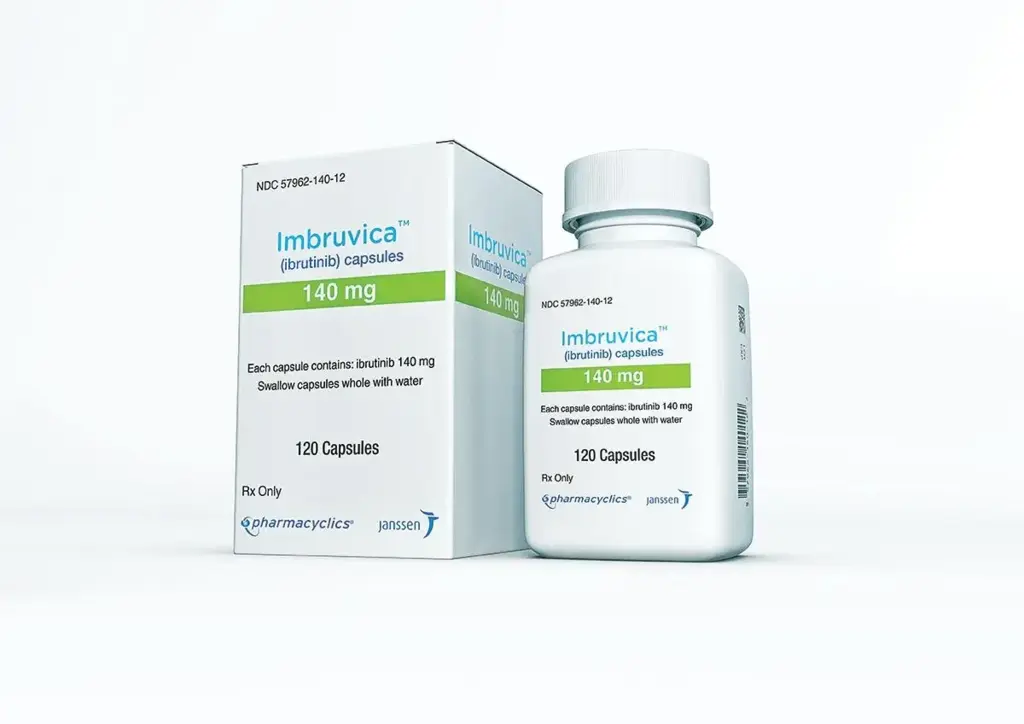
Imbruvica (ibrutinib) is used against certain blood cancers, chronic lymphocytic leukemia among them. Cancer drugs are some of the priciest medicines on the market, and a lower price can decide whether a patient stays on treatment or falls into money trouble.
Stelara
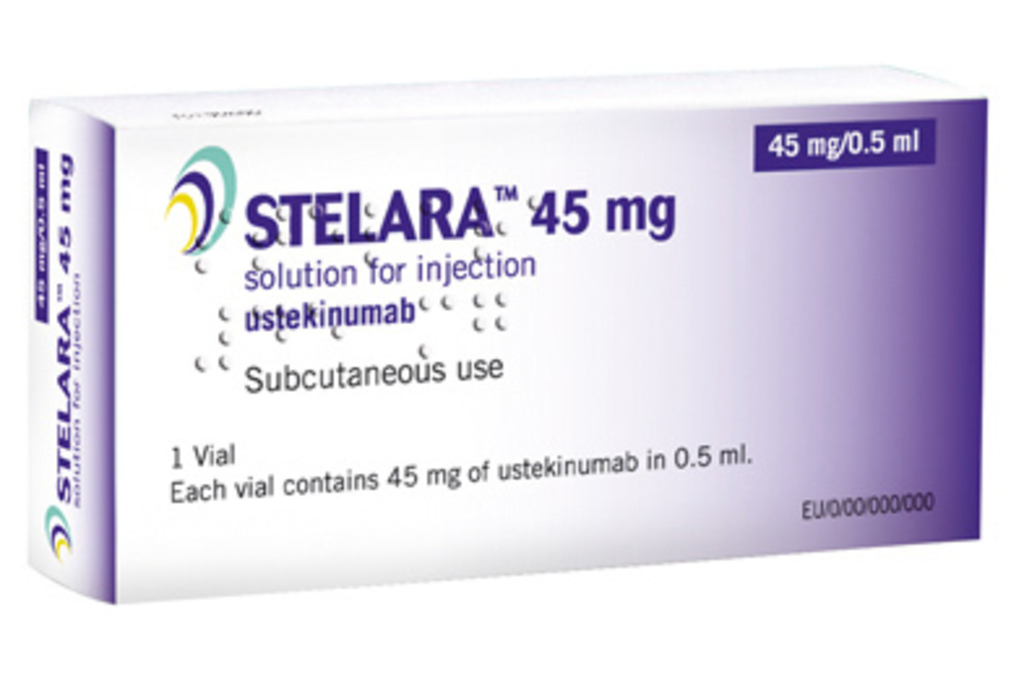
Stelara (ustekinumab) treats Crohn's disease, ulcerative colitis and psoriasis. This injectable biologic has helped a great many patients reach remission, and lower costs make it easier to stay on it for the long haul.
Fiasp and NovoLog
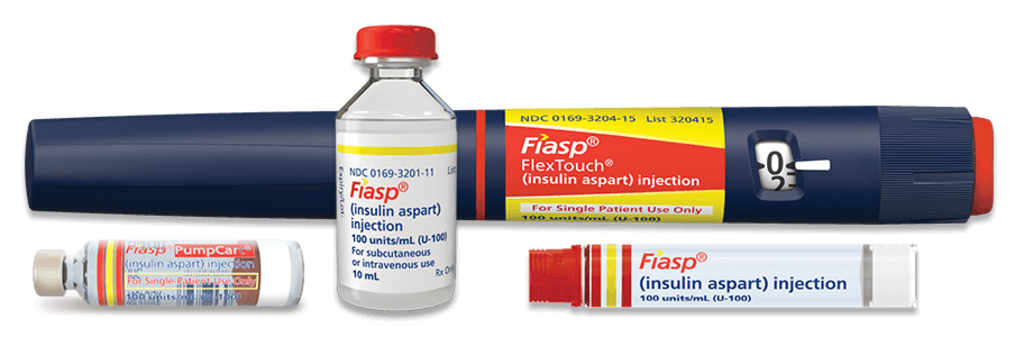
Fiasp and NovoLog (insulin aspart) are fast-acting insulins used to manage diabetes. What people pay for insulin has been argued over for years, and these cuts build on the insulin cost caps that came before them.
What Will You Really Save?
That depends on the drug and on the coverage you have. Medicare expects the negotiated prices to save beneficiaries roughly 38% to 79% compared with 2023 list prices. Your own savings will turn on a few things.
People on Medicare Part D will feel the change most directly. Copays and coinsurance will shrink along with the new prices, and some patients could keep hundreds of dollars a month.
If your coverage is private, you may not notice a difference right away. Insurers tend to follow Medicare's lead, though, and over time private plans may win similar discounts. That can spread lower prices across the whole system.
For people without insurance, the picture is less clear. The negotiated prices are for Medicare specifically. Even so, what Medicare pays often nudges the cash price at the pharmacy, so you may see some drop without coverage.
Steps to Take If Your Medication Made the List
Start by confirming your drug is truly one of the ten. Look at both the brand name and the generic name, since people often know the same medicine by different names.
Before January 1, 2026, call your pharmacy and your insurer. Ask how the new prices will play out under your plan, and try to get the answer in writing. That way there are no surprises at the counter.
Look over your Medicare Part D plan during open enrollment. The price changes may shift which plan gives you the best deal. Compare plans with every one of your medications in mind, not only the drug that got cheaper.
If cost has pushed you to skip or stretch doses, talk with your doctor. A lower price may let you take the full amount you were prescribed. Never change how you take a medicine without medical advice, but the savings could help you stick with your treatment.
Put a note on your calendar to check the price of your first prescription in 2026. Make sure the lower amount was applied. Billing mistakes are common in health care, and catching one early saves trouble later.
What Comes After the First Ten?
These ten drugs are only the first round of Medicare price talks. The program is set to grow. Medicare plans to negotiate prices on 15 more drugs by 2027, and by 2029 it will negotiate as many as 20 drugs each year.
Later rounds are likely to focus on other expensive categories. More diabetes drugs, cancer treatments and biologics are good bets. The government puts the drugs with the highest spending and the biggest effect on patients at the front of the line.
Drug makers are already adjusting. Some are putting more research money into drugs that fall outside the negotiation targets, and others are trying out different pricing approaches. How all of this will shape new drug development is still unknown.
Patient advocates are paying close attention. They want to make sure the negotiations do not make important medicines harder to get. The tension between lower prices and new drug discovery has not gone away, and experts still disagree on the right balance.
Take a Look in Your Medicine Cabinet
Spend a few minutes going through the prescriptions you take now and hold them up against the list of ten. If yours is not on it this time, a later round could still include it. Ask your doctors and pharmacist how the lower prices fit into your treatment, and feel free to ask about alternatives or generic options while you are at it.
The price cuts that take effect January 1, 2026 are a real turning point for American health care. Millions of patients will at last get a break from heavy medication bills. See whether your prescription is on the list and start planning for what you might save.